
Uncategorized
What is the Best Month for a Luxury Honeymoon to Bali?
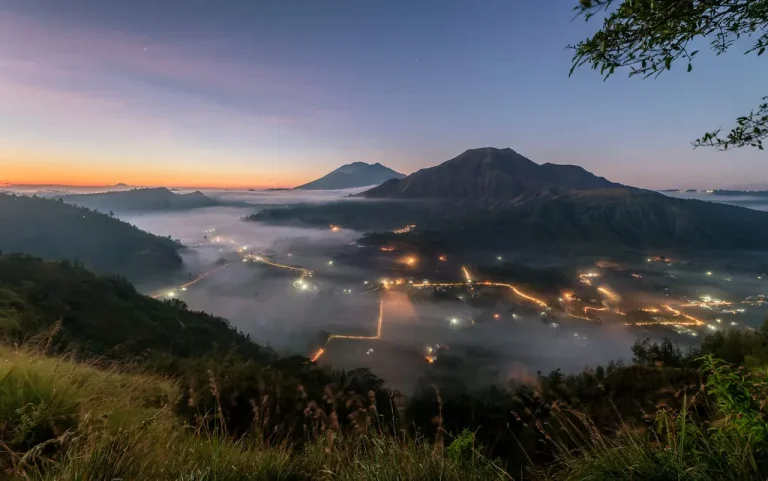
- Optimal Weather: Expect daily temperatures around 28°C with less than 50mm of rain for the entire month.
- Fewer Crowds: You arrive just before the July and August peak, securing better availability at top villas.
- Ideal Conditions: Perfect for all activities, from diving the clear waters of Menjangan Island to sunrise treks.
The air hangs heavy with the scent of frangipani and clove-scented kretek cigarettes, a fragrant counterpoint to the distant, hypnotic rhythm of a gamelan ensemble. A gentle breeze, carrying the promise of a sun-drenched day, rustles the palm fronds above your private plunge pool. You are in Bali, and the question isn’t if this island can deliver the honeymoon of a lifetime, but when it will do so in its most perfect form. As a travel editor, I’m asked this constantly. The answer isn’t a single word, but a season—a specific window where the Island of the Gods aligns its climate, culture, and energy to create something truly sublime for two. Timing is everything, especially when crafting the ultimate luxury honeymoon bali experience.
The Dry Season Zenith: June, July, and August
Let’s be direct: if you’re seeking postcard-perfect Bali with the least meteorological risk, the high dry season from June to August is your answer. This is the island at its most classically beautiful and reliable. During these months, Bali enjoys an average of 8-10 hours of sunshine per day, with humidity levels dropping to a comfortable 60-65%. Rainfall is scarce; think brief, refreshing evening showers at most, with monthly precipitation often below 50 millimeters, a stark contrast to the 350+ millimeters seen in January. My contact at the St. Regis Bali Resort in Nusa Dua confirms that their beachfront villas are booked nearly a year in advance for this period, its appeal. The consistent offshore winds during these months also create world-class surfing conditions on the western Bukit Peninsula, particularly at legendary breaks like Uluwatu and Padang Padang.
This climatic perfection makes it the prime time for a diverse itinerary. Mornings can be spent trekking the Campuhan Ridge Walk in Ubud, where the air is crisp and the views are clear, followed by afternoons exploring the pristine coral reefs off Menjangan Island in West Bali National Park, where visibility can exceed 30 meters. Evenings are for clifftop dinners in Uluwatu, watching the sun dip below an uninterrupted horizon. However, this perfection comes with a price and a crowd. July and August represent the absolute peak tourist season, driven by European summer holidays and Australian winter escapes. Expect to pay a premium of 20-40% on top-tier accommodations. To secure your desired private pool villa, I advise booking no less than nine months out. This is the period to see and be seen, and for many, the vibrant energy is part of the allure of planning their premium villa packages in Ubud and Seminyak.
The Shoulder Season Sweet Spot: May and September
For the discerning traveler who prefers their paradise with a little more breathing room, the shoulder months of May and September are, in my opinion, the insider’s choice. These months offer a near-perfect compromise, retaining most of the dry season’s climatic benefits while shedding the peak season’s crowds and inflated prices. In May, the landscape is still exceptionally verdant from the preceding wet season, but the daily downpours have subsided, giving way to long, sunny days. It’s a photographer’s dream. September offers a similar climate, with the added benefit that the island is collectively exhaling after the August rush. You’ll find it significantly easier to get a last-minute reservation at celebrated restaurants like Metis or Locavore.
Statistically, these months still boast excellent weather. Temperatures remain a steady 27-29°C, and while the chance of rain is slightly higher than in July, it’s typically a short-lived afternoon affair that clears the air beautifully. This is the ideal time for cultural immersion. With fewer people, a visit to the Tirta Empul water temple or the cliff-hewn shrines of Gunung Kawi becomes a more spiritual, less hurried experience. I once spent a September afternoon at a private cooking class just outside of Ubud, and the sense of peace was palpable. We had the entire organic garden to ourselves. Accommodation rates can be 15-25% lower than in peak season, and you often find luxury resorts offering compelling value-added packages. For couples who value both perfect weather and a sense of serenity, May and September present the most compelling argument for the best month for a luxury honeymoon to Bali.
Wet Season: October through April
The term “wet season” often conjures images of a relentless, trip-ruining monsoon. In Bali, this is a misconception. While October through April, and especially December to February, see a dramatic increase in precipitation and humidity often exceeding 85%, it’s not a constant downpour. The rain typically arrives in intense, tropical bursts in the afternoon, lasting for a couple of hours before the sun re-emerges. The island’s character shifts entirely during this period. The rice paddies and jungles adopt an almost impossibly vibrant shade of green, and the air is thick with the smell of petrichor and damp earth. For some, this lush, dramatic atmosphere is deeply romantic.
The primary advantage of a wet season honeymoon is value and seclusion. You can expect to find rates for even the most exclusive villas, like those at the Four Seasons Sayan, to be 30-50% lower than in August. The crowds thin out dramatically, allowing for a more intimate experience. This is the time to focus on wellness and indulgence. Think long mornings in a private yoga shala overlooking a misty valley, decadent multi-hour spa rituals, and exploring Bali’s world-class fine-dining scene. However, there are trade-offs. Beach days can be compromised, and ocean visibility for diving and snorkeling is significantly reduced. Rougher seas can also disrupt boat travel to the nearby Gili or Nusa islands. As a resource, the official Indonesia Travel portal provides updates on inter-island transport. If your honeymoon vision is centered on wellness retreats and cultural immersion in Ubud rather than beach clubs in Seminyak, the wet season offers exceptional luxury for the price.
Beyond Weather: Cultural Rhythms and Festivals
An enlightened approach to timing your Bali honeymoon involves looking beyond meteorology and considering the island’s unique cultural calendar. Bali operates on its own rhythm, and aligning your visit with one of its major festivals can elevate your trip from a vacation to a profound cultural experience. The most significant of these is Nyepi, the Balinese Day of Silence, which typically falls in March. For 24 hours, the entire island shuts down. The airport closes, no traffic is allowed on the streets, and everyone is expected to stay indoors for a day of quiet reflection. Experiencing this from a luxury resort is a unique privilege—a forced digital detox and a moment of shared, island-wide tranquility. The night before, however, is a cacophony of celebration, with massive, demonic ogoh-ogoh effigies paraded through the streets before being burned in spectacular bonfires.
Another key celebration is Galungan, a 10-day festival that occurs every 210 days on the Pawukon calendar, celebrating the victory of dharma (good) over adharma (evil). During this time, the streets are adorned with magnificent penjor—tall, decorated bamboo poles that arch over the roads. It’s a visually spectacular time to be on the island, as families reunite and temples are filled with elaborate offerings. Understanding these rhythms provides a deeper appreciation for the island’s soul. It’s a connection to the living culture that underpins the beauty of sites like the Jatiluwih Rice Terraces, part of a landscape recognized by UNESCO for its Subak irrigation system, which is itself a manifestation of the Balinese philosophical principle of Tri Hita Karana. When planning, a quick search for the dates of these festivals can add an unforgettable dimension to your itinerary.
A Month-by-Month Luxury Itinerary Sketch
To put this all into practice, let’s consider how the month you choose directly shapes the ideal luxury itinerary. This is how we approach crafting bespoke Bali travel plans for our clients.
A June Honeymoon (The Classic): Your journey begins with four nights in a sleek beachfront pool villa in Seminyak. Days are for lounging at Ku De Ta or Potato Head Beach Club, with evenings reserved for a private seafood barbecue on the sand. Next, you transfer inland to Ubud for five nights at a secluded jungle sanctuary like Capella Ubud. Here, the focus is on culture and wellness: a private sunrise trek to Mount Batur, a couple’s blessing ceremony at a local temple, and exploring the Tegalalang Rice Terraces before the crowds arrive. You conclude with three nights in a clifftop villa in Uluwatu, enjoying the dramatic coastal scenery, watching the Kecak fire dance at the Uluwatu Temple, and indulging in world-class dining at The Warung at Alila Villas Uluwatu.
A September Honeymoon (The Connoisseur): You bypass the southern crowds and fly directly into a more tranquil experience. Start with five nights in East Bali, perhaps at the architecturally revered Amankila. This becomes your base for exploring Tirta Gangga water palace, snorkeling the USAT Liberty shipwreck in Amed, and discovering the ancient village of Tenganan. From there, you journey north to the highlands of Munduk for four nights. Staying at a property like Munduk Moding Plantation, you’ll be surrounded by coffee plantations and cascading waterfalls. This is the time for cooler-weather pursuits: hiking to hidden jungle temples and soaking in the Banjar Hot Springs. You finish with four nights in the stylish enclave of Canggu, enjoying its surf culture, innovative food scene, and a final dose of sunset cocktails.
Quick FAQ for the Discerning Couple
Here are a few pointed questions I often receive from couples deep in the planning process.
When are flights and villas most expensive?
Without a doubt, prices for both airfare and accommodation peak from mid-July to the end of August, and again during the Christmas and New Year’s period (roughly December 20th to January 5th). For the best value, avoid these windows.
Is the rainy season a complete write-off for a honeymoon?
Absolutely not. It simply requires a different mindset. If your dream is non-stop sunbathing, it’s a gamble. But for a wellness-focused, culturally rich trip centered around Ubud’s spas, yoga studios, and incredible restaurants, it can be a magical and cost-effective time to visit. The island’s flora is at its most spectacular.
How far in advance should we book for the best villas in peak season?
For top-tier, named resorts and specific, highly sought-after villas (e.g., the Riverfront Pool Villa at Mandapa, a Ritz-Carlton Reserve), I strongly recommend booking 9 to 12 months in advance. The best inventory is the first to go.
What about mosquitos and insects?
Mosquitos are more prevalent during the humid wet season. However, any reputable luxury resort or villa has rigorous pest control measures, including regular fogging and providing in-room repellents and mosquito nets. It’s a manageable concern, not a reason to avoid certain months.
Ultimately, the “best” month is a personal calculation, a trade-off between climatic perfection, crowd tolerance, and cultural curiosity. The dry season offers reliability, the shoulder season provides balance, and the wet season promises lush intimacy. Each window reveals a different facet of this enchanting island. The key is to define your priorities as a couple and then choose the month that aligns with your shared vision for the perfect beginning to your life together. When you are ready to translate that vision into reality, our team specializes in creating the definitive luxury honeymoon bali, ensuring every detail is timed to perfection.